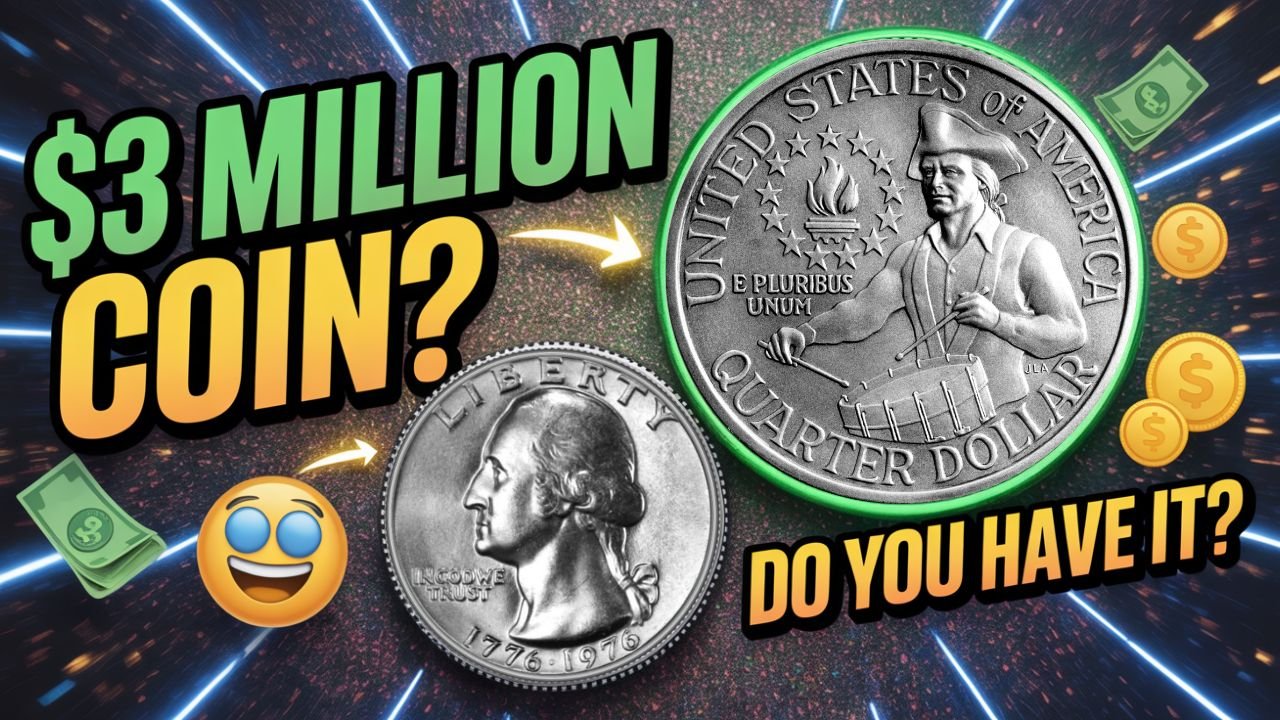
Among the 1976 Bicentennial quarters of the United States, the valuation of these coins in the eyes of the world is the highest and most controversial ones. The presence of the very unique dual-date (1776–1976) design and the famed “Drummer Boy” on the backside have not only made these coins the first but also the most attractive ones for collectors. However, over the past ten years, some very rare Bicentennial quarters have been making the news because their auction prices have skyrocketed to millions. As per various reports, one specific type of coin has been valued at about $3 million.
This condition has given rise to the hope among people that this extremely rare coin could be lying somewhere in their old coin jars or given collections. The factors like increased market demand, entry of new collectors, and unprecedented prices of high-grade coins at auctions have collectively empowered the current craze for these coins.
Key Reasons Behind the Growing Popularity of Bicentennial Quarters
Several factors have contributed to the continuous increase in the prices of these coins over the past few years:
- Rapid growth of new collectors in the market
- Increased awareness of experimental mint varieties
- Record-breaking prices for high-grade coins at auctions
- Increased trust in grading services like PCGS and NGC
- Premium placed on coins with excellent strike, luster, and perfect condition
- Huge surge in value for mint errors and prototype pieces
All these factors have made Bicentennial quarters a major part of modern coin investment today.
Evolution of the Bicentennial Market from 2015 to 2025
The market has witnessed remarkable changes in the last 10 years. Coins that were once considered merely part of American history have now become a top choice for investors.
- Coins struck on experimental planchets have seen their value increase exponentially.
- High-grade silver business strikes have rapidly gained attention.
- Professional grading (PCGS/NGC) is now considered essential.
- Fierce competition at auctions for coins graded MS67+.
- Online marketplaces and coin shows have increased investment and awareness.
The most significant value increases have been seen in early test-strike and transitional pieces, which are considered the backbone of the market.

Why Have Some Bicentennial Quarters Reached Millions?
Not every Bicentennial quarter is worth millions, but the rarest varieties possess certain characteristics that make them super-rare.
- Struck on the wrong metal, especially 40% silver
- Early “die trial pieces” with exceptionally sharp strike quality
- Limited-run prototype errors
- Rare double-die (obverse/reverse) errors
- Only 1 or 2 certified examples of a particular type
These factors have allowed some coins to reach incredible prices of $1–$3 million.
How to Identify a Rare $3 Million Bicentennial Quarter
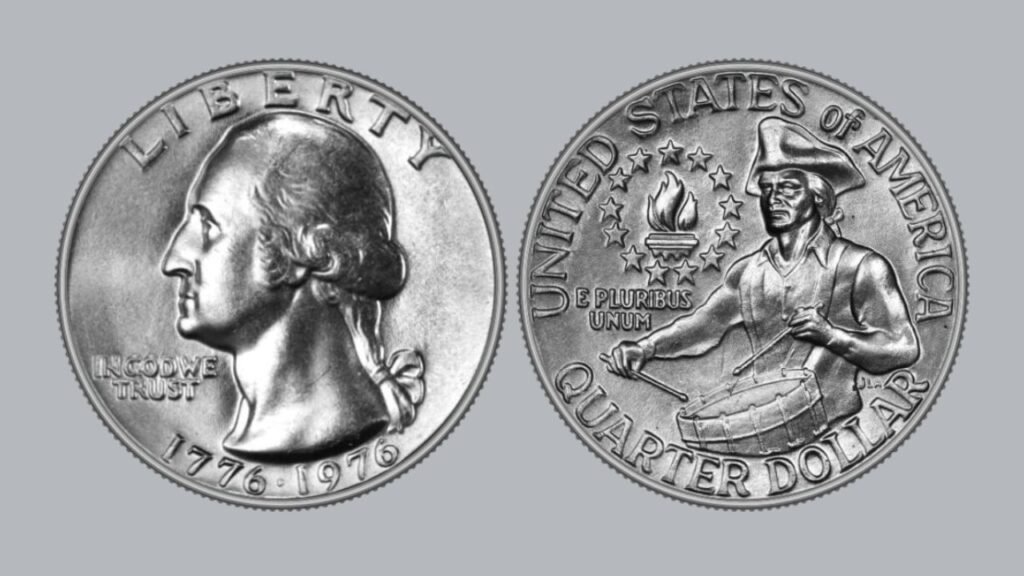
If you are examining old coins, look for these specific characteristics:
- Extremely sharp and high-relief strike
- Mirror-like luster or satin finish
- Double-die: Doubled lettering on IN GOD WE TRUST or UNITED STATES OF AMERICA
- Very deep and clear details on the drummer on the reverse
- Weight difference (Silver planchets weigh differently)
- PCGS/NGC certification indicating prototype or experimental status
Magnification and weight testing are crucial for proper identification.
The Profound Impact of Grading on Bicentennial Quarter Values
Grading has completely transformed the market over the past decade. * Graded coins sell for many times more than ungraded ones
- PCGS and NGC Population Reports indicate levels of rarity
- The jump from MS66 to MS67 grade can multiply the price
- Toning, strike, luster, and eye appeal determine the price
- Top-graded “top-pop” coins sell for record prices
Today, grading is considered not an option, but a necessity.
The Growing Demand for Mint Error Varieties
Mint errors in Bicentennial quarters are becoming the most profitable category (High Return).
- Double-die errors are in tremendous demand
- Off-metal errors (especially those struck on silver) are the most valuable
- Broadstrike, clipped planchets, and off-center errors are rapidly gaining popularity
- High-grade errors sell out within hours
- Social media has multiplied awareness of these errors
Many collectors are now prioritizing error coins over regular strikes.
2020–2025: The Market’s Rapid Surge in Recent Years
This period saw a tremendous surge due to new collectors and online platforms:
- The entry of young collectors
- A large number of newly graded Bicentennial coins
- Increased awareness of silver and bullion prices
- People are re-examining their families’ old coin collections
- Auction houses are setting record bids
Rarity and multimillion-dollar potential have fueled excitement in the market.
The Most Expensive Bicentennial Quarter Varieties
These mint varieties are currently fetching the highest prices in the market:Experimental business strikes struck on silver planchets
- Coins with a double-die obverse
- Deep cameo proof strikes
- Dramatic mint errors
- Trial pieces, of which only 1–2 exist
These variants are the “Top Performers” of the modern coin market.
Which coins have seen the fastest price increases?
Prices have risen exceptionally fast in certain categories:
- Transitional silver-struck pieces
- High-grade MS67+ coins
- Premium strikes with strong eye appeal
- Off-metal and double-die errors
- Early die state production pieces
Collectors are not hesitant to invest in coins that combine both rarity and visual impact.
How to value your Bicentennial Quarter?
If you own a Bicentennial quarter, check it in this order:
- Carefully examine the date and design details
- Weigh it and check for silver anomalies
- Compare it to verified high-value examples
- If it has promising traits, get it certified by PCGS/NGC
- Check the depth of the strike and relief
- Check recent auction prices
This process significantly increases your identification capabilities.
Collectors’ Expectations for the Future
Market trends remain strong:
- Demand for rare prototypes will increase
- Market expansion due to younger collectors
- Top-grade examples could reach new heights
- Online bidding platforms are increasing competition
- Awareness of multimillion-dollar varieties is constantly growing
The potential for value appreciation in this category is strong in the long term.

Conclusion
The 1976 Bicentennial quarters are actually among the most fascinating and dynamic sectors of the American coin collection market today. The prices of the rarest variants, which were once beyond dreams, have now reached the million-dollar mark. The competition for the best coins is rising along with awareness and grading transparency.
It is possible that the next historic discovery could be within your reach if you are scrutinizing your collection, family treasures, or even old coins. Having the right information, being careful, and being sharp can give you a winning position in the competition to discover coins worth multimillions.
FAQs
Q1. What makes a Bicentennial quarter worth millions?
Only rare varieties such as off-metal strikes, experimental prototypes, and high-grade double-die errors can reach million-dollar values.
Q2. How can I identify a rare $3 million Bicentennial quarter?
Look for sharp high-relief strike, possible silver weight, mirrored finish, doubled lettering, and certification from PCGS or NGC.
Q3. Are all 1976 Bicentennial quarters valuable?
No. Most are common, but a few extremely rare types—especially prototypes and mint errors—hold very high value.
Q4. Does grading increase the value of a Bicentennial quarter?
Yes. Professionally graded MS67+ or top-population coins usually sell for much higher prices.
Q5. What types of mint errors are most valuable?
Off-metal strikes, double-die errors, off-center pieces, and dramatic planchet mistakes attract the highest premiums.